Start a Conversation

Make every complex customer journey easier to navigate, use, and trust.

Madcraft helps complex B2B organizations improve how customers, dealers, and partners interact with their business. We turn research, strategy, and service design into experiences.

Trusted by Industrial & Enterprise Organisations

Customer expectations changed. Has your experience kept up with them?

Customers and partners do not separate your website, portal, sales team, and service desk. They judge your whole business through one connected experience.

Madcraft maps journeys across buyers, customers, dealers, partners, sales, and service, then defines the changes that remove friction and improve commercial performance.

Disconnected customer journeys

Customers repeat information and encounter different answers across teams and channels.

Limited customer self-service options

Dealers and customers rely on calls, emails, and people for routine tasks.

Unclear buying paths

Buyers struggle to find the product, information, expertise, or next step for a confident decision.

Siloed ownership

Sales, service, marketing, and technology optimize separate moments rather than outcomes.

Inconsistent experiences

Customers receive different service depending on the location, channel, team, product, or business unit.

Customer Journeys With Measurable Business Impact

Outcome

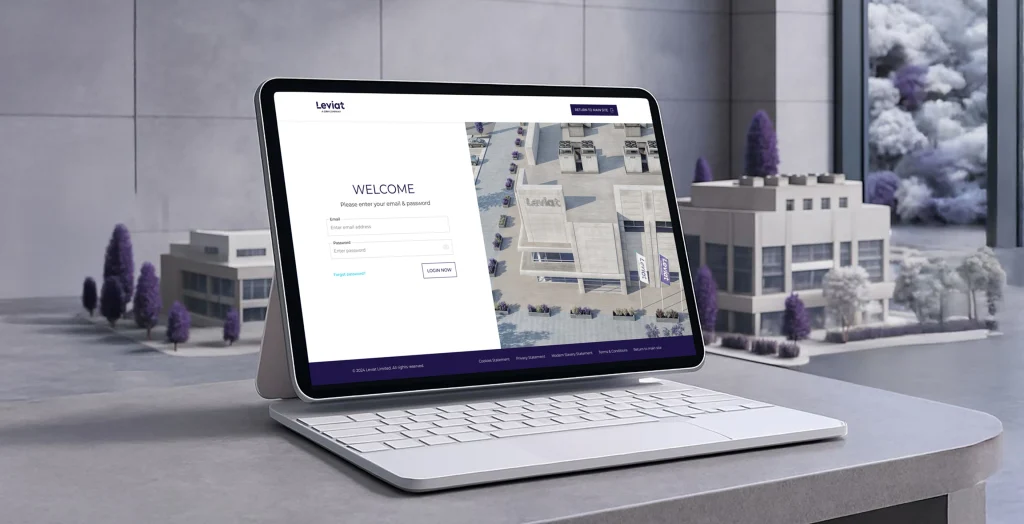
95% improvement in order accuracy

“Leviat’s customers were used to a high standard of service by phone and email, so the portal had to match it from day one. Connecting BigCommerce to Dynamics AX in real time means contractors and distributors always see accurate pricing and stock, and can order with complete confidence.” — Megan Kavanagh, Head of Web & Digital Experience, Madcraft
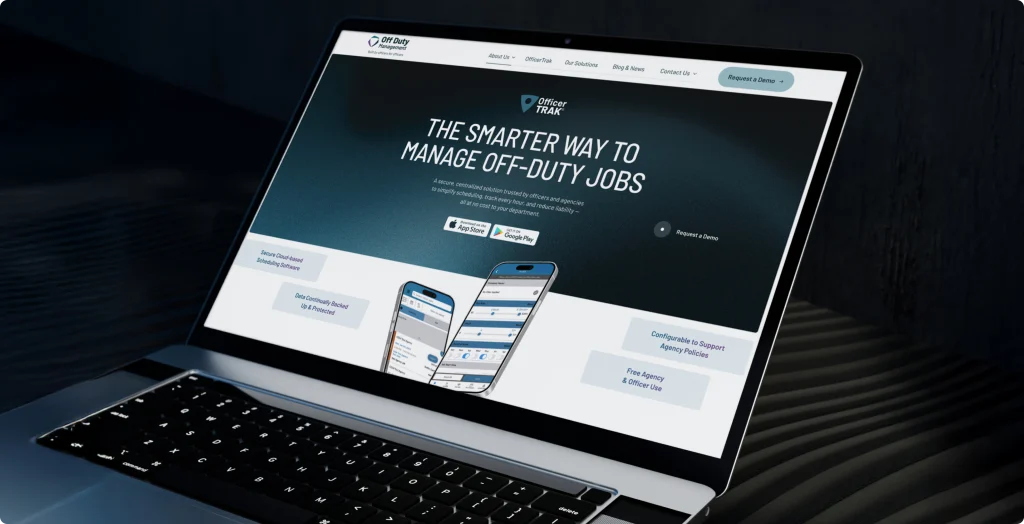

Outcome

Grade A GTmetrix performance, up from Grade D

“Off Duty Management serves three very different audiences, and each one arrives with its own questions. We designed the experience around those journeys, so a police chief, an officer and a business owner can each find what they need quickly and feel confident taking the next step.” — Megan Kavanagh, Head of Web & Digital Experience, Madcraft

From customer insight to experiences people choose to use

Digital brand expression

Digital brand expression

Positioning and proposition

Positioning and proposition

Brand architecture and naming

Brand architecture and naming

Narrative and messaging

Narrative and messaging

Narrative and messaging

Narrative and messaging

Digital Transformation Across Complex B2B Industries

Manufacturers need more than a modern website. Madcraft aligns brand, product positioning and digital experience, then builds enterprise platforms connecting product data, dealers, customers and internal systems. Search, AI visibility and performance marketing create demand, while automation improves lead handling, quoting, service support and the customer journey from specification through aftermarket.

Explore Manufacturing

For construction and infrastructure organizations, digital credibility matters long before a project begins. Madcraft sharpens the brand, communicates complex capabilities and builds enterprise websites connected to project, CRM and content systems. Stronger search visibility and targeted campaigns support new opportunities. AI can accelerate proposals, surface technical knowledge, improve lead response and streamline everyday workflows.

Explore Construction & Infrastructure

Technical expertise does not sell itself. Engineering firms need a clear story, a credible brand and a website that helps buyers understand exactly why they are different. Madcraft connects that experience to business development platforms, then strengthens discoverability through SEO, AEO and targeted marketing. AI supports proposal creation, knowledge retrieval, qualification and client service.

Explore Engineering & Technical Services

Complex equipment, parts and services should not be difficult to find, understand or buy. Madcraft brings brand, enterprise websites, digital catalogs, dealer portals and connected product data into one customer experience. Search visibility and performance campaigns generate demand across the buying cycle. AI improves product discovery, quoting, lead response, service support and aftermarket growth.

Explore Industrial Equipment & Machinery

Architects, specifiers, contractors, dealers and buyers all need different information at different moments. Madcraft creates a clear brand, intuitive website and connected specification experience that makes product data easier to access and act on. Search, content and performance marketing build demand. AI strengthens product guidance, technical support, lead routing and sales efficiency.

Explore Building Products & Materials

Technical complexity, regulation and public trust shape every digital decision in energy, utilities and environmental services. Madcraft builds credible brands, accessible enterprise websites and connected platforms for customers, partners and communities. Strong search visibility makes critical information easier to find. AI improves knowledge access, customer service, reporting, lead management and internal workflows.

Explore Energy, Utilities & Environmental Services

Availability, speed and service increasingly depend on the quality of the digital experience. Madcraft modernizes the brand, builds B2B commerce and customer portals, and connects product, inventory, pricing, CRM and ERP data. Search visibility and performance marketing attract more valuable demand. AI improves product discovery, quoting, lead response, account service and operational efficiency.

Explore Distribution, Wholesale & Supply Chain

Sophisticated technology must still be easy to understand, trust and buy. Madcraft clarifies positioning, strengthens brand architecture and builds enterprise websites that connect customer, partner and sales platforms. SEO, AEO and performance marketing help the right buyers discover the business. AI improves qualification, sales enablement, support, knowledge access and recurring customer engagement.

Explore Technology, Communications & Security

A typical strategy engagement takes 6–10 weeks, depending on the journey scope and stakeholder complexity.

  1. 1

    Discover

    Research customers, employees, journeys, channels, systems, pain points, and the commercial outcomes that matter.

  2. 2

    Define

    Prioritize the journeys, audiences, moments, and measures that will create the greatest business value.

  3. 3

    Design

    Design the future experience, service principles, journey improvements, and digital requirements with the teams responsible for successful delivery.

  4. 4

    Deliver

    Translate the strategy into a prioritized roadmap, experience standards, platform briefs, ownership, and clear measurement criteria.

Madcraft can carry the strategy into websites, customer and dealer portals, ecommerce platforms, service tools, and AI-enabled workflows. We connect customer needs to systems, content, processes, and teams that shape the experience, so the roadmap moves from recommendation into delivery.

What a stronger experience creates

Clear priorities focused on the journeys that matter most commercially today.

Shared customer insight across leadership, sales, service, marketing, and technology.

Practical experience principles teams can apply across channels, products, and business units.

Connected journeys across websites, portals, sales, service, and support.

Prioritized platform requirements grounded in customer needs and measurable business value.

Clear ownership, governance, and performance measures.

Common Questions

When does a complex B2B organization need a customer experience strategy?

Customer experience strategy becomes valuable when customers struggle across channels, service costs rise, self-service adoption remains low, or teams make disconnected decisions. It is also useful before a major website, portal, CRM, commerce, or service transformation, because it defines the journeys, priorities, requirements, ownership, and measures the technology investment should support across the business at every stage.

How do you research customers across complex B2B buying journeys?

We combine interviews, stakeholder workshops, journey data, support themes, search behavior, analytics, and existing customer research. For complex B2B journeys, we also examine the roles of buyers, users, dealers, partners, and internal teams. The goal is enough evidence to make sound decisions, identify shared patterns, and prioritize improvements across the business, not research for its own sake.

Can Madcraft improve dealer and partner experiences as well?

Yes. Dealer and partner journeys are often where the greatest operational friction sits. We map access, product information, quoting, ordering, service, parts, training, and support needs, then define how portals, content, workflows, and people should work together to improve adoption, reduce avoidable effort, and give every participant a clearer path to completing important tasks without added friction.

Does the engagement include journey mapping and research?

Yes. We map the current journey, identify failure points, and define the future experience across digital and human channels. Research can include leadership, employees, customers, dealers, and partners. The depth depends on the decisions ahead, the quality of existing evidence, the number of audiences involved, and the confidence required before investment decisions are made or delivery begins.

Can Madcraft design and build the digital experiences the strategy identifies?

Yes. Madcraft can move from strategy into enterprise website development, customer and dealer portals, B2B ecommerce, analytics, conversion optimization, and AI-enabled workflows. Keeping strategy and implementation connected reduces handoff loss and gives the delivery team a clear view of customer needs, priorities, requirements, dependencies, and the measures that will define success across the business long after launch.

How do you align sales, service, marketing, and technology teams effectively?

We bring the right teams into the work early, agree the business outcomes, and make ownership visible. Workshops are structured around decisions, not presentations. The final roadmap shows what changes, who owns each action, how platforms and processes connect, which dependencies matter, and which measures leadership should review as the experience improves over time with clear accountability.

How long does a customer experience strategy take?

Most focused engagements take four to six weeks. Timing depends on the number of customer groups, markets, journeys, systems, and stakeholders involved. Larger programs can be phased, beginning with the journeys that have the strongest commercial or service impact, then expanding once priorities, ownership, measures, and practical governance have been established across business functions and delivery teams.

Ready to Build Better Customer Experiences Across Your Business?

Talk to Madcraft about customer journeys, digital friction, and the changes that could create the greatest value.

Start A Conversation