
Enterprise website development that earns trust and creates opportunities
Madcraft plans, designs and builds enterprise websites for complex B2B organizations. We unite brand, content, user experience, technology, SEO and conversion in one scalable digital platform.
Trusted by Leading Industrial & Enterprise Organizations


Award-winning website development for organizations with complex products, audiences and systems
Websites and digital platforms delivered
Complex B2B industries supported
Connected team from strategy through growth
Your website should not be the hardest part of your business to change
Websites become difficult gradually. New services are added, systems multiply, content becomes inconsistent and the customer journey starts reflecting internal structure rather than customer need. Eventually, the website slows marketing, weakens credibility and makes growth harder.

The Website No Longer Represents You
Your brand, capabilities and market position have moved forward, but the website still reflects the business you used to be.

Customers Cannot Find Answers
Complex navigation, internal language and scattered content make products, services and expertise difficult to evaluate.

The Website Is Not Generating Leads
Traffic arrives, but weak journeys, limited proof and unclear conversion paths fail to create enough qualified opportunities.

Publishing Is Slow and Frustrating
Marketing depends on developers or fragile templates for routine updates, campaigns and local content.

Systems and Data Are Disconnected
The website does not connect cleanly with CRM, ERP, PIM, DAM, recruitment or analytics systems.

Search and AI Visibility Are Declining
Technical debt and unstructured content make the business harder to find across search engines and AI answers.

Accessibility, Security and Compliance Create Risk
The current platform cannot reliably meet modern standards for accessibility, security, privacy and governance.
Let’s build a website that is easier to navigate, manage and grow.
Make a complex business easy to navigate for every audience
Start a Conversation-
01
Prospective Customers
Understand your offer, evaluate your capabilities and find the right route to start a conversation.
-
02
Technical Buyers
Find specifications, certifications, integration details, resources and evidence without contacting sales.
-
03
Procurement and Risk Teams
Validate credibility, security, compliance, scale and commercial stability.
-
04
Customers, Dealers and Partners
Access support, locations, documentation, services and secure account experiences.
-
05
Talent and Candidates
Understand the organization, culture, opportunities and application process.
-
06
Marketing and Sales Teams
Publish quickly, reuse content and support campaigns without creating design or technical debt.
Tell us which audiences matter most, and we will show you how one connected website can support them all.
One connected website, from strategy through optimization
Every layer is planned together so the brand, customer journey, content, technology and measurement reinforce one another from the first workshop through launch and ongoing improvement.
-
1
Strategy and Requirements
Align business goals, audiences, requirements, governance, budget and measurable definitions of success.
-
2
Information Architecture and Journeys
Organize complex products, services, content and audience pathways around what users need.
-
3
UX, UI and Design Systems
Create a distinctive, accessible experience that remains consistent across pages, markets and teams.
-
4
Content, SEO and AI Visibility
Build clear, authoritative content that customers, search engines and AI platforms can understand.
-
5
Website Development and CMS
Develop secure, scalable components, publishing workflows, permissions, multisite and localization capabilities.
-
6
Integrations and Data
Connect CRM, ERP, PIM, DAM, search, recruitment, analytics and other business systems.
-
7
Quality, Launch and Optimization
Test accessibility, performance, content, integrations and analytics before launch, then continuously improve.
Easier to manage. Safer to scale.
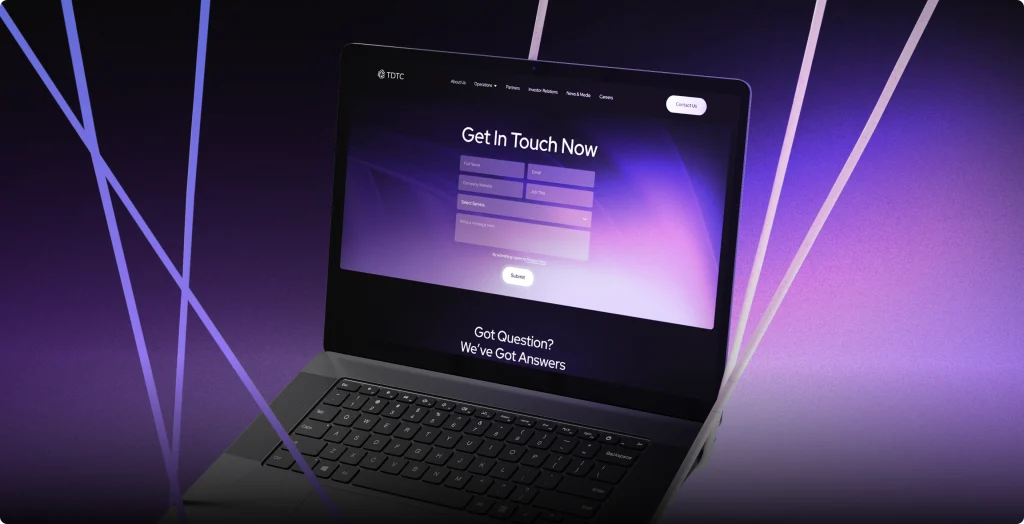
- Flexible components and page templates without design drift
- Clear publishing workflows, roles and approval controls
- Multisite, multilingual and local-market content management
- Faster campaign and landing-page launches
- Integrated analytics, lead capture and CRM attribution
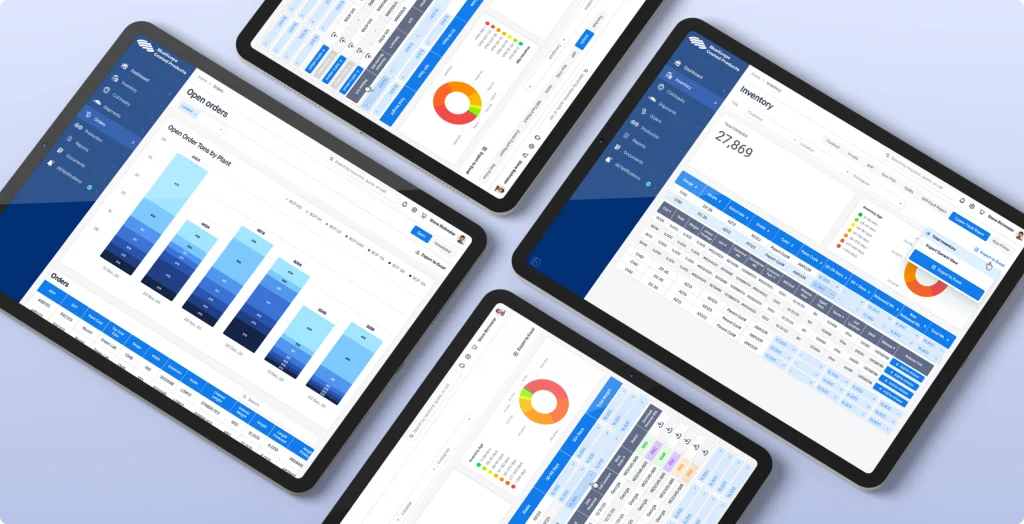
- Documented architecture, environments and deployment processes
- Secure development, access controls and privacy-aware implementation
- Reliable integrations with enterprise systems and data
- Performance monitoring, backups and recovery planning
- Clear technical standards, governance and platform ownership
Marketing moves faster. IT keeps control. Customers receive a better experience.
The right architecture for your organization, not the trend of the moment
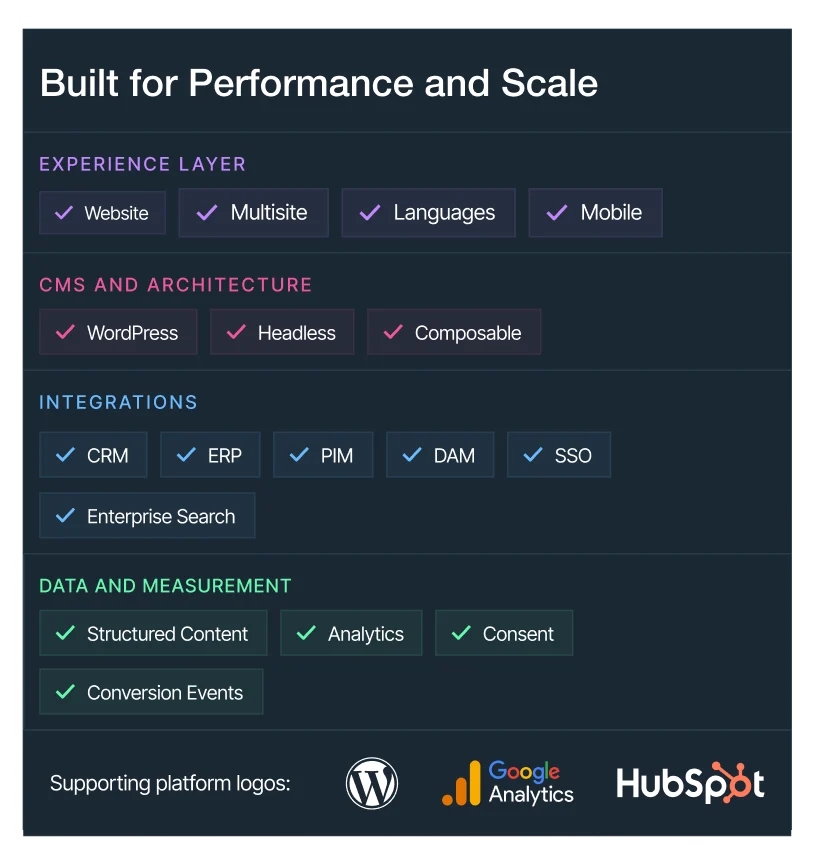
Madcraft selects the CMS and architecture around your content, team, integrations, security requirements and plans for growth. That may mean WordPress, WordPress VIP, a headless or composable stack, or a connected solution using specialist technology only where it creates clear value.
- Component-based design and development.
- WCAG 2.2 AA accessibility as a delivery standard.
- Core Web Vitals, performance budgets and global delivery.
- Structured content, technical SEO and AI-readable information architecture.
- Role-based access, secure environments and disciplined release processes.
- Analytics, consent, CRM attribution and measurable conversion events.
A clear path from complexity to launch
Discover and Align
Confirm business goals, audiences, content, requirements, constraints, governance and success measures.
Architect
Define user journeys, sitemap, content model, platform architecture, integrations and delivery roadmap.
Design and Validate
Prototype priority journeys, create the design system and test important decisions with users and stakeholders.
Build and Integrate
Develop reusable components, migrate content, connect systems and complete continuous quality assurance.
Launch
Complete readiness checks, train teams, manage deployment and continue improving performance after launch.
Digital Transformation Across Complex B2B Industries
Clarify complex products, capabilities, certifications and markets while connecting product data, dealer networks, CRM and lead generation within one scalable website.
Explore Manufacturing
Present capabilities, sectors, projects and regional expertise clearly while supporting business development, recruitment, partnerships and complex qualification journeys.
Explore Construction & Infrastructure
Turn deep technical expertise into a clear digital experience that helps buyers find the right services, specialists, evidence and project experience.
Explore Engineering & Technical Services
Make equipment, parts, services and dealers easier to find while connecting product information, lead routing and aftermarket support.
Explore Industrial Equipment & Machinery
Help architects, specifiers, contractors and dealers find products, technical data, certifications, samples, specifications and local support.
Explore Building Products & Materials
Organize complex services, technical information, regulatory content and customer resources within a secure, accessible and dependable website.
Explore Energy, Utilities & Environmental Services
Improve product discovery, account journeys, branch visibility, quote requests and ordering while connecting critical product and customer data.
Explore Distribution, Wholesale & Supply Chain
Explain sophisticated solutions clearly, strengthen market authority and support direct, partner and recurring-revenue sales journeys.
Explore Technology, Communications & Security
Your website should keep improving after launch
Madcraft supports websites after launch through managed hosting, service levels, technical support, security monitoring, performance improvement, conversion optimization, SEO, AEO, content enhancements and an ongoing development roadmap.
Continuous Improvement
-

Defined service levels, named contacts and clear processes for resolving issues.
-

Ongoing monitoring of uptime, performance, accessibility, security and platform health.
-

Continuous improvement of user journeys, forms, calls to action and conversion performance.
-

Technical optimization, structured content and continued visibility across search and AI.
-

Add components, functionality and connected services as business needs evolve.
-

Review performance, priorities, upcoming requirements and the value created by continued investment.
Questions enterprise teams ask before they start
What makes a complex B2B website different from a standard company website?
The difference is not simply size. A complex B2B website may need to support several audiences, product groups, markets, languages, business divisions and connected systems. It must simplify that complexity for users while giving marketing, sales and technology teams the control, governance and flexibility they need behind the scenes.
Which CMS and website platforms does Madcraft work with?
Madcraft works with WordPress, WordPress VIP, headless and composable architectures, and connected platforms using specialist services where they add genuine value. We recommend technology only after understanding your content, users, internal capabilities, integrations, security requirements and plans for growth.
Can you connect our website with CRM, ERP, PIM, DAM or recruitment systems?
Yes. Madcraft connects websites with CRM, ERP, PIM, DAM, identity, recruitment, marketing automation, analytics and other business systems. We define these integrations during discovery and architecture so data moves reliably and the website becomes a useful part of the wider organization rather than another disconnected platform.
Can Madcraft support multisite, multilingual and global website programs?
Yes. We can create a shared platform that protects brand and technical standards while allowing regional, divisional or local teams to manage relevant content. Governance, permissions, translation workflows, reusable components and local-market flexibility are planned from the beginning.
How do you protect SEO and traffic during a redesign or migration?
We benchmark existing performance before major changes are made. The migration plan covers valuable content, URL mapping, redirects, metadata, internal links, structured data, technical controls and post-launch monitoring. This protects existing equity while creating a stronger foundation for SEO, AEO and future content growth.
How do you address accessibility, security and performance?
Accessibility, security and performance are treated as delivery standards rather than final checks. Our work includes WCAG 2.2 AA requirements, secure development practices, access controls, performance budgets, Core Web Vitals, structured quality assurance and testing across devices, browsers, content and integrations.
Can Madcraft support website strategy, content writing and migration?
Yes. Madcraft can lead positioning, information architecture, user journeys, messaging, SEO research, content planning, copywriting and migration. Keeping these disciplines connected prevents a strong design from being weakened by unclear content or an incomplete migration process.
What happens after the website launches?
Madcraft can provide managed hosting, monitoring, maintenance, security updates, service levels, technical support, analytics, conversion optimization, SEO, AEO and continued website development. The website receives an ongoing improvement roadmap rather than remaining unchanged until the next redesign.
How long does a website development project take?
Most substantial B2B website projects take approximately two to four months. The timeline depends on strategy, content, stakeholder availability, functionality, integrations, languages and migration complexity. Larger multisite or digital experience programs may be delivered through phased releases over a longer period.


Build a Website That Works as Hard as Your Business
Talk to Madcraft about creating a website that clarifies your value, earns trust, generates opportunities and gives your team a platform it can keep improving.