
May 1, 2025

How to Measure SEO Performance and Build a Strategy That Delivers

Team Madcraft

How to Measure SEO Performance and Build a Strategy That Delivers
hero-bg

Turning SEO from Tactic to Growth Engine

In a world where digital discovery drives customer decisions, SEO is no longer just a marketing checkbox. It is a critical lever for long-term business growth. But while many businesses invest in SEO, few understand how to properly measure its success or align it with commercial outcomes. If your SEO strategy feels disconnected from results, this article is for you.

Why SEO Performance is Business-Critical

In today’s digital landscape, SEO is no longer a cloak-and-dagger or dark arts marketing function. It is a key driver of visibility, lead generation, and long-term brand equity. Consumers rely heavily on search engines to guide their purchasing decisions, making it essential for businesses to understand how their brand is performing in search and why it matters.
When executed strategically, SEO helps businesses:

  • Reduce reliance on paid channels by generating sustainable, cost-effective traffic
  • Capture high-intent users who are actively searching for solutions
  • Strengthen authority and trust by occupying top positions for relevant queries
  • Improve performance across other channels, from PPC to email, through greater content alignment


Treating SEO as a strategic investment rather than a checkbox creates a foundation for scalable digital growth.

Why SEO Strategies Fall Short

Despite its importance, many businesses fail to realise the full value of SEO due to fragmented or outdated approaches. The gap typically lies in how SEO is planned, executed, and measured.

Common pitfalls include:

  • Chasing rankings without linking them to revenue or growth goals
  • Reporting on traffic without assessing user intent or conversions
  • Overlooking keyword gaps and relying on legacy terms that no longer reflect demand
  • Failing to address site speed, crawlability, or mobile UX issues
  • Lacking internal ownership or consistency across marketing and web teams


These issues create blind spots that limit visibility and stall performance. Without a clear, aligned strategy, even well-designed websites can underperform in organic search.

A Performance-Driven SEO Framework

A best-practice approach to SEO is structured, iterative, and built for scale. While tactics may differ by business or industry, the most effective strategies follow a clear and repeatable path.

Here’s a high-level view of a well-rounded SEO lifecycle, often used by leading brands and agencies:
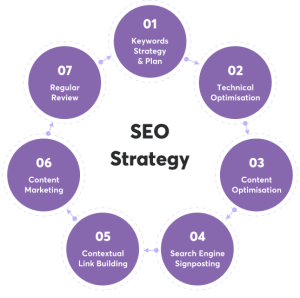
A Performance-Driven SEO Framework - Turning SEO from Tactic to Growth Engine


To realise meaningful SEO outcomes, businesses must move from a reactive checklist mindset to a structured, performance-driven approach. A successful SEO strategy balances content, technical health, and commercial alignment. Here’s how to build one:


1. Set Clear Objectives

SEO success starts by connecting your strategy to business outcomes. Ask what success looks like. Is it more leads, better qualified traffic, or improved revenue?


2. Track Metrics That Matter

Go beyond basic analytics and focus on:

  • Organic Sessions: Monitor reach and growth
  • Click-Through Rate (CTR): Gauge relevance and appeal of your listings
  • Conversions & Revenue: Evaluate the quality of SEO traffic
  • Impression Share: Understand brand exposure across the funnel
  • Keyword Trends: Track high-value term movement, not just overall rank
  • Search Mode Insights: As omnimodal search becomes more prevalent, consider how users are discovering your content across different formats—voice, image, video, and text—on multiple devices.: Track high-value term movement, not just overall rank


3. Run a Strategic SEO Audit

A comprehensive audit uncovers performance blockers and gaps in:

  • Technical SEO (page speed, indexing, mobile performance)
  • Content relevance and keyword targeting
  • Internal linking structure
  • Backlink quality and competitive authority
  • Schema and structured data coverage


4. Align SEO with Broader Marketing Goals

SEO should work in lockstep with your brand positioning and campaign calendar. Integrate keyword insights into paid media, content planning, and even UX improvements.

With the rise of omnimodal search, integrating multimedia content, such as video, visual explainers, and voice-optimized assets, ensures your brand is discoverable regardless of how or where a user chooses to search.


Real World Impact:

SEO that aligns with broader business goals delivers results across industries. Here are a few examples of performance focused strategies in action:

  1. For a client in the ecommerce fashion sector, a full audit and on-page optimization strategy resulted in a 206% increase in organic sessions and 134% growth in organic revenue within six months.
  2. In the construction equipment industry, Madcraft partnered with Thompson Lift Truck to increase visibility for their key machinery brands in a new geographic market. The campaign led to a 1,244% increase in keyword impressions, 78% rise in new rental customers, and a 500% increase in position #1 rankings.
  3. Working with Wriggle Learning, we supported the relaunch of their site with a technical SEO migration, keyword focused content improvements, and performance tracking. This resulted in an 89% increase in organic sessions, a 96% increase in impressions, and a 50% increase in top 10 keyword rankings within six months post-launch.


The results indicate that a strategically developed and technically proficient SEO framework, customised to meet business objectives, can facilitate growth across various sectors. This exemplifies the significance of coherent SEO implementation.

What to Watch in SEO

The SEO landscape continues to evolve rapidly, and staying ahead of emerging trends is key to maintaining visibility. Here are the top developments shaping the future of organic search:

  • AI-Driven Search & Generative Interfaces: With Google’s Search Generative Experience (SGE) and similar innovations such as ChatGPT, search behaviour is becoming more conversational. This is driving a shift toward omnimodal search, where users interact with content using text, voice, images, and even video across devices and platforms. To remain visible, brands must create content that is adaptable across multiple formats and optimised for intent-driven discovery. Businesses need content that matches intent, not just keywords.
  • Zero-Click Search & SERP Features: Featured snippets, knowledge panels, and People Also Ask boxes are claiming more visibility. Optimising for these areas improves brand authority even when clicks don’t follow.
  • Content with E-E-A-T Signals: Google increasingly favours content that demonstrates Experience, Expertise, Authoritativeness, and Trustworthiness. Including testimonials, author bios, and credible citations is now essential.
  • UX as an SEO Signal: Core Web Vitals, site architecture, and mobile usability play a direct role in how well your content performs in search. Fast, intuitive websites convert better and rank better.

Strategy Over Guesswork

To build an SEO strategy that delivers, you need more than rankings. You need relevance, reliability and results. When SEO is grounded in commercial objectives and regularly measured for performance, it becomes a dependable source of long-term value and growth.

Madcraft helps brands build and scale SEO strategies that align with business outcomes. From audits to implementation and reporting, we partner with you to drive visibility, leads, and revenue.

Ready to Turn Your SEO into a Growth Engine?

Book your SEO audit today to uncover opportunities and start seeing results from search.
Get In Touch

Connect with Madcraft

Please click the button below to send this request directly to our inbox via email. This request cannot be submitted via a contact form.

Click here